Technology · KeyTor
Continuous torrefaction for industrial waste-to-energy plants
KeyTor, Keystone Energy's continuous torrefaction technology, processes MSW, RDF, biomass and STP sludge in a controlled low-oxygen environment to produce dry, carbon-dense solid fuel.
Existing Keystone aerial footage associated with the Gorakhpur project; project status is commissioning.
KeyTor
Continuous torrefaction engineered for industrial duty
KeyTor, Keystone Energy's continuous torrefaction technology, is the process platform behind the torrefaction plants shown on this site. Feedstock moves through the reactor without stopping instead of being processed in separate batches. This supports steadier process conditions and avoids repeated heating and cooling between loads.
KeyTor is the subject of Indian patent applications 202211023704 and 202211023710. These are patent applications, not a claim that a patent has been granted.
Torrefaction Process
From complex waste to Green Coal
Keystone Energy Systems LLP and Keystone Green Energy Private Limited deploy torrefaction reactors, which operate at temperatures between 200° and 350°C in a controlled and low-oxygen environment. The process removes moisture and volatile substances to increase the fuel's energy density, grindability, and storage stability, resulting in an end product which is dry, brittle, carbon dense and the closest known alternative to coal for its applications.
- Process
- Continuous torrefaction at 200–350 °C in a controlled, low-oxygen environment
- Capacity
- Modular configurations from 50 to 1,000 TPD of input
- Feedstocks
- MSW, RDF, woody and agricultural biomass, and undigested STP sludge, including mixed-feedstock applications
- Duty
- Engineered for 6,000+ operating hours per year
- IP status
- Indian patent applications 202211023704 and 202211023710
Keystone's proprietary torrefaction technology (patent application# 202211023704 & 202211023710) can convert any combination of MSW, RDF, Biomass, STP Sludge, Agricultural/Forest/Textile/Other Waste into a dry, brittle and carbon-rich product whose measured calorific range depends on the feedstock. The feedstock-specific values are listed in the table below.
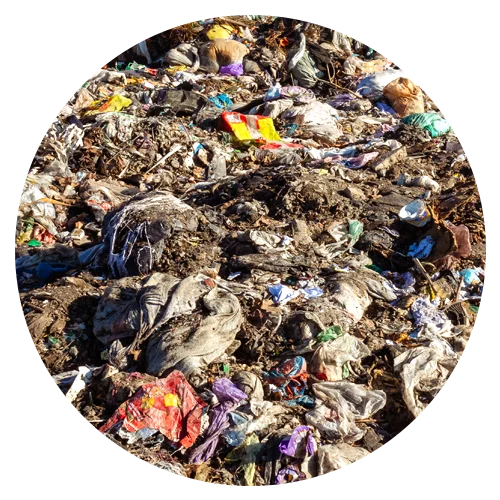
Waste Pandemic
Waste is everywhere and most of it is dumped, landfilled, not recycled and not utilized, causing wastage and pollution
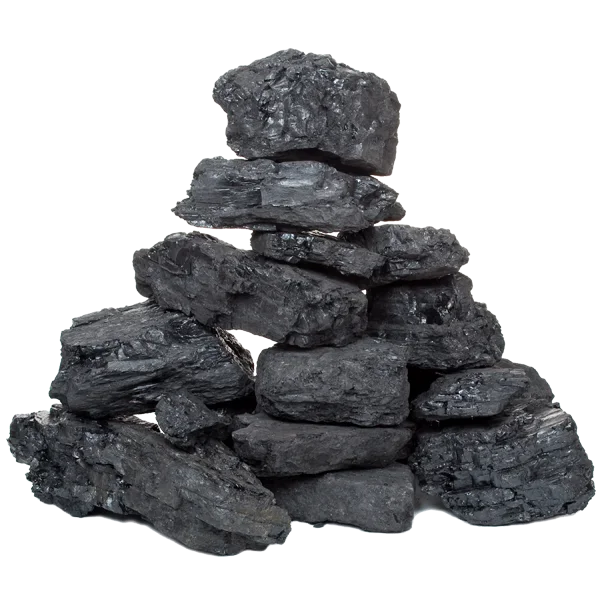
Revolutionary Technology
Torrefaction is a thermal treatment process that involves heating MSW/ RDF/ Agro Waste/ STP Sludge in absence of oxygen, removing moisture and volatile compounds and increasing its energy density to produce the end product which is known as Green Coal.
Feedstock pathways
MSW Torrefaction Plant
Converts Municipal Solid Waste (MSW) into high calorific value torrefied MSW and torrefied charcoal using proprietary torrefaction technology. Designed for landfill reduction, waste to energy conversion and mandated co-firing applications in thermal power plants.
Biomass Torrefaction Plant
Processes agricultural residue, woody biomass, and organic waste into torrefied biomass, biochar, and green coal. Improves energy density, fuel stability, grindability, and storage performance for industrial fuel applications.
RDF Torrefaction Plant
Upgrades Refuse Derived Fuel (RDF) into high CV torrefied fuel and waste-to-charcoal products through controlled thermochemical processing. Enables biomass utilisation and provides mandated torrefied pellets to thermal power plants.
STP Sludge Torrefaction Plant
Converts Sewage Treatment Plant (STP) sludge into high-calorific solid fuel using low-oxygen torrefaction processing. Reduces moisture content, improves fuel characteristics and enables sustainable sludge to energy conversion.
Plant configurations
Keystone Energy offers a variety of torrefaction plant configurations ranging from 50 to 1000 tons per day of input
Outputs and applications
Keystone Energy uses its proprietary continuous torrefaction technology to convert waste into charcoal for industrial fuel applications. Keystone Energy's Torrefaction is an advanced thermochemical process that produces high-energy solid fuels known as Green Coal, BioChar, Charcoal, Torrefied Coal, Torrefied Charcoal, Torrefied Biomass, Torrefied MSW and others.
Keystone Energy is initiating a change towards sustainable energy, which converts Biomass to charcoal, MSW to charcoal, RDF to charcoal, and sludge to fuel using torrefaction technology, plays an important role in a variety of industrial applications, such as waste management systems, cement manufacturing, and power generation.
| Feedstock | Calorific value (Kcal/kg) |
|---|---|
| Woody biomass | 3,700 – 6,000 |
| Rice straw biomass | 4,000 – 4,300 |
| Refuse Derived Fuel (RDF) | 3,800 – 4,000 |
| Municipal Solid Waste (MSW) | 3,700 – 4,000 |
| Undigested STP sludge | 3,500 – 3,800 |
Projects
Project portfolio and delivery stages
Keystone Energy's four-project portfolio totals 850 TPD across different delivery stages: one fully commissioned plant, two plants in commissioning and one completed pilot.
Swipe the table sideways to see output, client, location and status.
| Capacity | Input | Output | Client | Location | Status |
|---|---|---|---|---|---|
| 500 TPD | Municipal Solid Waste | Torrefied MSW | NTPC Ltd. (via NVVN) | Gorakhpur, Uttar Pradesh | Commissioning |
| 200 TPD | Rice straw biomass | Torrefied Biomass | TransPacific Engineers | Sangrur, Punjab | Commissioning |
| 100 TPD | Legacy waste, RDF and biomass | Torrefied Charcoal | Keystone Greentech | Warangal, Telangana | Fully commissioned |
| 50 TPD | STP sludge | Torrefied Charcoal | Delhi Jal Board | Delhi | Pilot completed |
Gasification
Enhanced Waste Management Using Gasification
Keystone Energy's advanced Waste to Energy Gasification technology converts Municipal Solid Waste (MSW) and RDF into high CV synthesis gas (Syngas) for power generation applications. This fully automated gasification process enables sustainable waste management, landfill reduction, and green electricity generation through gas engines and industrial turbines.
Our gasification systems are designed for continuous industrial operation and support decentralised waste to energy infrastructure, industrial decarbonisation and sustainable power generation. The produced Syngas can be utilised for electricity generation, thermal energy recovery and industrial fuel applications across power plants, cement industries, and municipal waste processing facilities.
Credentials
Keystone Energy's gasification technology has been evaluated and approved by NGT appointed technical committees with participation from the National Environmental Engineering Research Institute (NEERI), Central Pollution Control Board (CPCB), Ministry of Environment & Forest (MoEF) and other environmental and waste to energy experts.
In 2017, NGT approved implementation of a 500 TPD Waste to Green Electricity gasification plant in Srinagar, validating the technology for large-scale Municipal Solid Waste (MSW) processing, waste to energy conversion and sustainable power generation applications.
FAQs
The process on this page runs on KeyTor, Keystone Energy’s continuous torrefaction technology.
What is KeyTor?
KeyTor is Keystone Energy's continuous torrefaction technology. It converts municipal solid waste, refuse derived fuel, biomass and sewage treatment plant sludge into torrefied solid fuel, and is the subject of Indian patent applications 202211023704 and 202211023710.
What makes KeyTor continuous rather than batch?
Feedstock moves through the reactor without stopping rather than being processed in discrete loads. This supports steadier process conditions and allows the plant to be engineered for 6,000 or more operating hours a year.
What plant sizes does KeyTor support?
KeyTor plant configurations range from 50 to 1,000 tonnes per day of input. Keystone's portfolio includes 50, 100, 200 and 500 TPD projects at different verified delivery stages.
What is torrefaction?
Torrefaction is a thermochemical process that heats waste such as MSW, RDF, biomass and STP sludge to between 200° and 350°C in a controlled, low-oxygen environment. It removes moisture and volatile compounds, increasing the fuel's energy density, grindability and storage stability to produce a dry, carbon-rich solid fuel known as Green Coal.
What is Green Coal?
Green Coal is the dry, brittle, carbon-dense solid fuel produced by Keystone Energy's torrefaction process. Its measured calorific range depends on feedstock: 3,700 to 6,000 Kcal/kg for woody biomass, 4,000 to 4,300 for rice straw, 3,800 to 4,000 for RDF, 3,700 to 4,000 for MSW and 3,500 to 3,800 for undigested STP sludge.
What types of waste can Keystone Energy process?
Keystone Energy's continuous torrefaction technology can convert any combination of Municipal Solid Waste (MSW), Refuse Derived Fuel (RDF), biomass, agricultural residue and Sewage Treatment Plant (STP) sludge into Green Coal, biochar and torrefied fuel.
What is the calorific value of Keystone Energy's Green Coal?
It depends on the feedstock. Keystone Energy's measured ranges are 3,700 to 6,000 Kcal/kg for woody biomass, 4,000 to 4,300 for rice straw, 3,800 to 4,000 for refuse derived fuel, 3,700 to 4,000 for municipal solid waste, and 3,500 to 3,800 for undigested STP sludge.
View the feedstock-specific calorific value table
What is the status of Keystone Energy's torrefaction projects?
Keystone Energy's 100 TPD Warangal plant is fully commissioned and its 50 TPD Delhi Jal Board pilot is complete. The 500 TPD Gorakhpur MSW plant and 200 TPD Sangrur biomass plant are in commissioning.
Is Keystone Energy's torrefaction technology protected by patents?
KeyTor, Keystone Energy's continuous torrefaction technology, is the subject of Indian patent applications 202211023704 and 202211023710, and its waste-to-energy gasification technology has been approved by an NGT-appointed committee including NEERI, CPCB and MoEF.
Commercial enquiries
Discuss your project


Phone
+91 011-69952419Copyright © 2026 Keystone Energy Systems LLP and Keystone Green Energy Pvt. Ltd. All rights reserved.